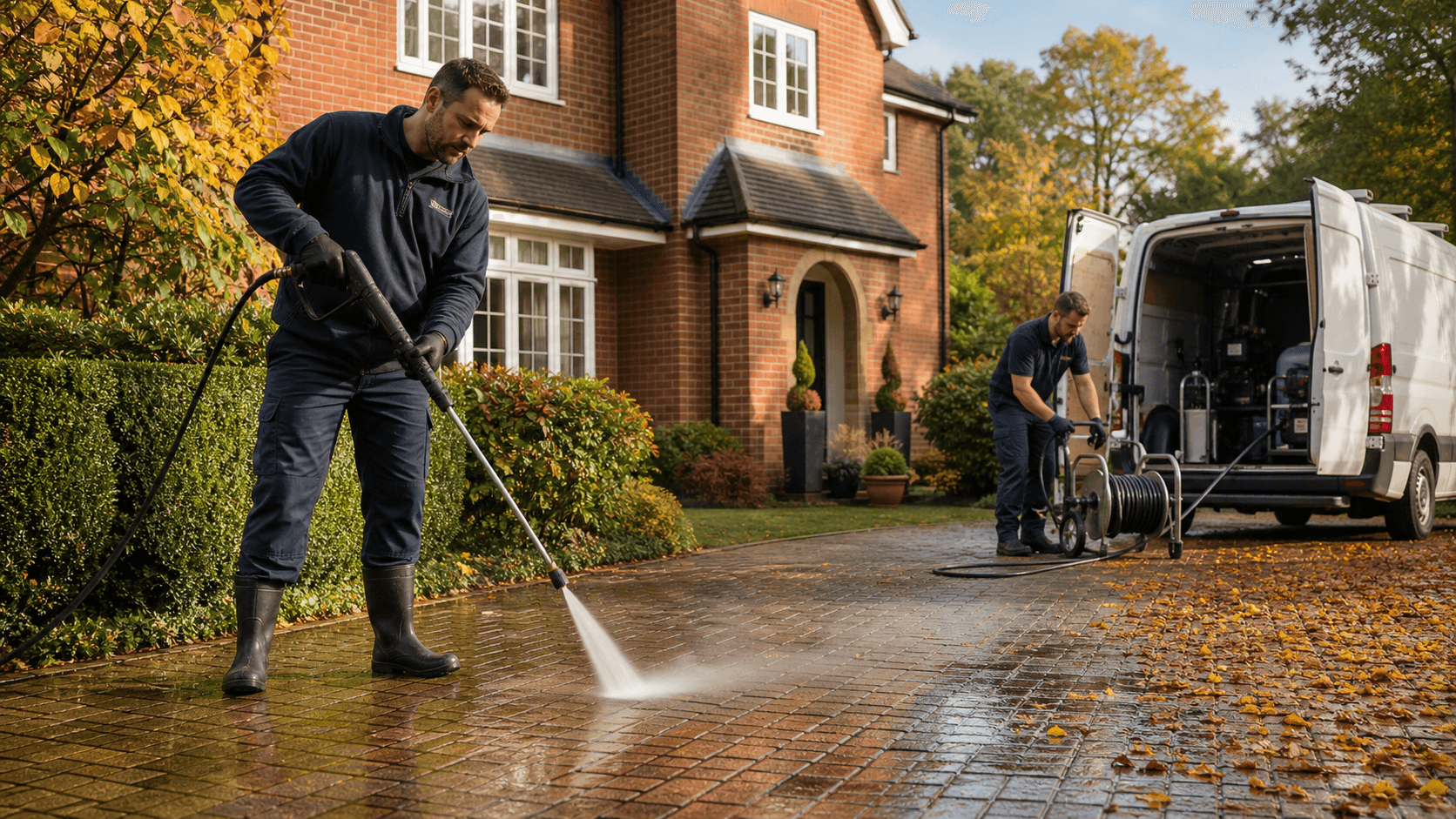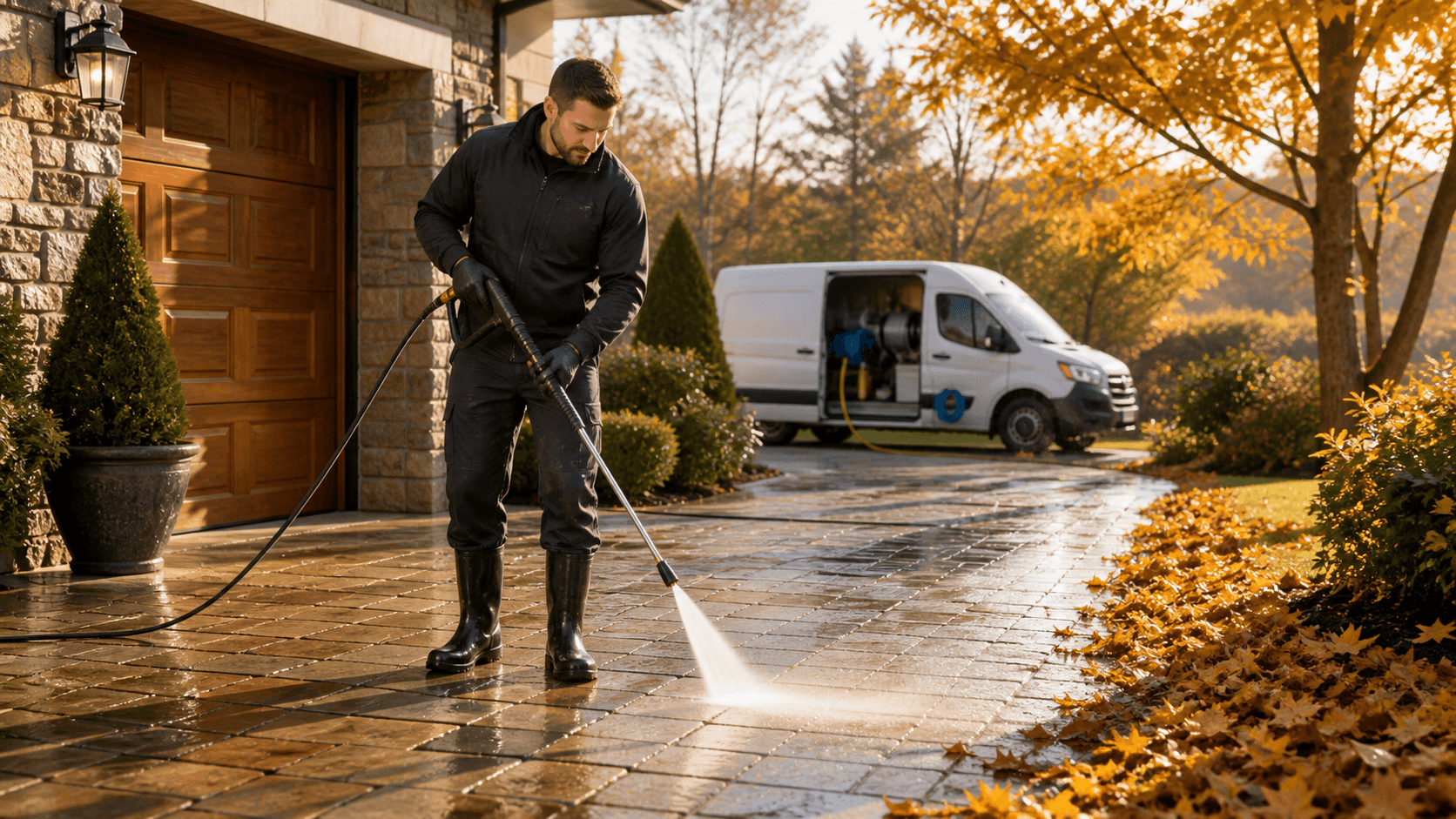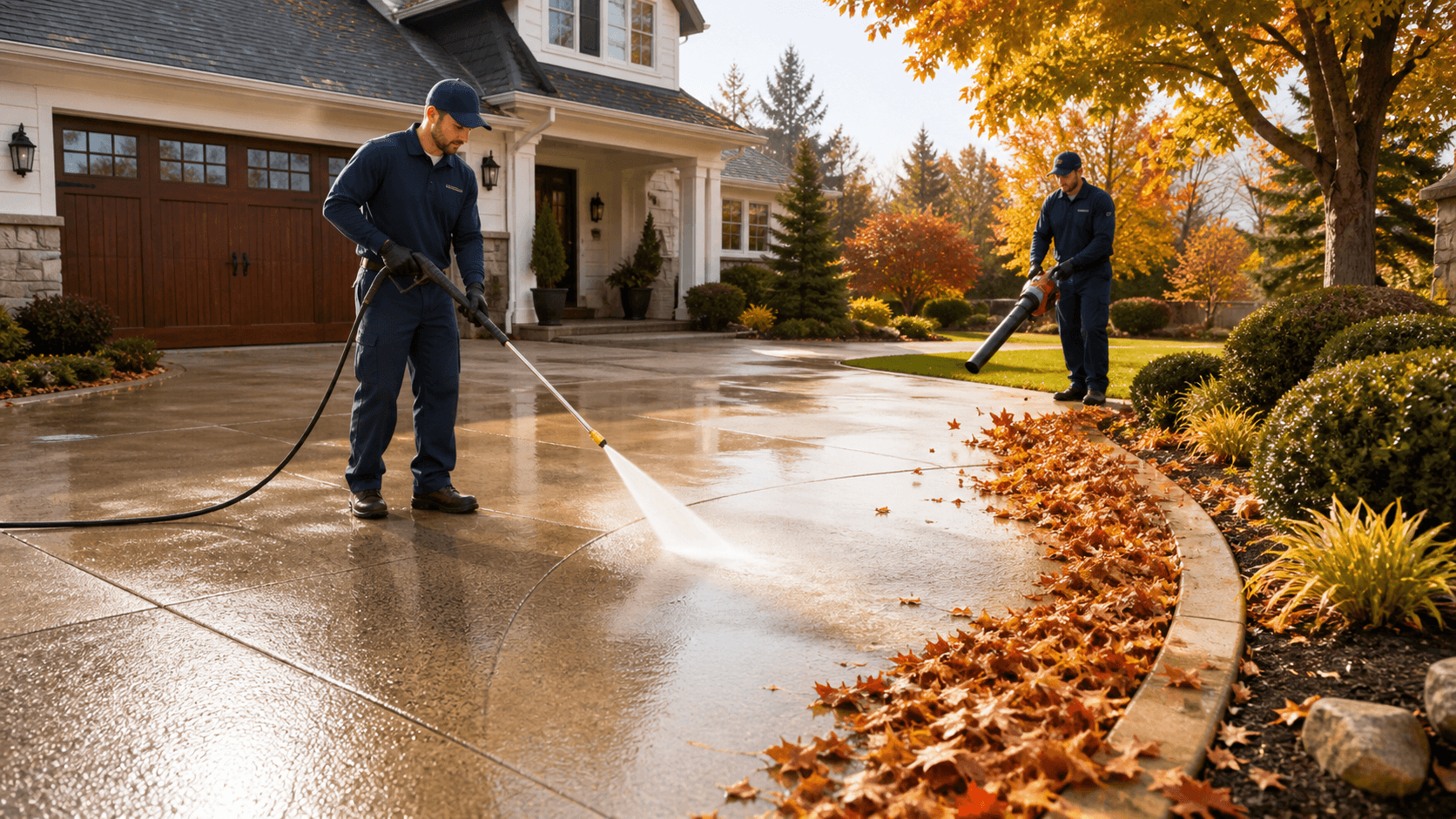
Most of us don't think much about washing outdoor surfaces until they're already looking grubby. But late summer is actually one of the best times to act, especially before the weather starts to turn. Planning ahead during these months can really save time and hassle later on.
Getting a jet wash in Stoke on Trent sorted now is a smart way to clear all the grit, grime, and debris that's built up over the warmer months. When paths, patios, and driveways are clean going into autumn, they stay safer and easier to look after through the wetter weeks. And before temperatures drop, jet washing gets far better results than waiting until things have set in or frozen solid.
Waiting too long often means more mess, more work, and more chance of things getting slippery or stained. So when the leaves haven't quite started falling but the air feels cooler, that's the sweet spot for outdoor cleaning jobs.
When Dirt and Debris Build Up in Late Summer
It's easy to think that outdoor surfaces stay fairly clean after the summer sun, but warmer weather usually brings more use, more dust, and more mess than we realise. As the months go on, things like mud, moss, and food stains can settle into cracks and corners remarkably fast.
By the end of August, places around the home pick up much more debris than expected. Driveways collect bits from car tyres and passing traffic. Garden paths gather dry soil, grass clippings, and sometimes even seeds or blossoms from nearby plants. Patios often hold onto food marks from barbecues, spills from drinks, and muddy footprints left behind by summer gatherings.
Once autumn rain arrives, that dry mess doesn't always wash away. Instead, it can turn into slippery patches or cling even tighter to the surface. Moss starts to grow more quickly with the extra moisture, and leaves pile right on top of the old buildup. That combination makes it harder to clean properly later and can wear down paving stones, bricks, and concrete sooner than you might think.
- Driveways often trap loose soil and grease marks from summer driving
- Patio corners collect food spills and sticky build-up from family meals
- Lawns and garden edges can wash debris across footpaths in wetter weather
Without fresh cleaning, all that grime holds moisture, wears out surfaces, and creates a real slip risk in the colder, windier days of autumn and winter.
Local Weather Makes Timing Important
In Stoke-on-Trent, September comes with a clear shift in the weather. Even early in the month, we start to see more rain and longer stretches where things never fully dry out. Dampness tends to hang around, especially in shaded parts of the garden where the sun doesn't reach for long each day.
If patios or driveways are already dirty, those spots trap extra moisture and grow algae or moss rapidly. What could have come away with a quick rinse in August now takes much more time and scrubbing to remove. The longer dirt and algae sit undisturbed, the more likely it is to set in deeply.
Jet washing needs a window of dry, settled weather to work best. Early autumn often provides just enough clear days for surfaces to dry properly after a wash. Cleaning before rainfall increases means you avoid the rush to get things done when it's cold, muddy, or frosty outdoors.
- Moss and algae grow faster when dirt stays wet from weeks of rain
- Clean hard surfaces dry faster and are less slippery to use
- Waiting too long may mean dirt sets into the surface and becomes tough to shift
Planning ahead makes cleaning easier, faster, and delivers better long-term results for outdoor spaces.
Hard Surfaces Respond Better to Jet Washing Before the First Frost
Once late October rolls in, temperatures dip low enough to make outdoor work uncomfortable and sometimes unsafe. Even before frost arrives, colder air begins changing how outdoor surfaces respond to cleaning.
Paving stones, bricks, and concrete react differently when chilled. Dirt clings tighter, stains stop lifting easily, and any remaining dampness can freeze overnight, cracking joints or causing surface damage over time.
Waiting until it's freezing might seem like squeezing in one last job before winter, but by then, jet washing is less effective and can leave streaks or uneven patches. By getting the job done earlier in autumn, you stay ahead of those problems. It helps protect what's already there and sets you up for a tidier spring with less effort.
- Cold weather makes dirt and stains tougher to remove
- Frozen moss and damp can damage surfaces as water expands and seeps into cracks
- Autumn washing helps surfaces last longer and remain safer through the cold months
Early preparation sets your property up to look better and function safely, all season long.
Williams Exterior Shine uses professional jet washing equipment with variable pressure settings to safely clean block paving, tarmac, concrete, resin, patios, and natural stone as autumn approaches. We focus on lifting settled dirt, algae, and summer build-up that can become a bigger problem once temperatures drop.
What Areas Should You Prioritise Around the Outside
Not every space outdoors needs washing at the same time, but there are a few key areas to focus on first. These spots show wear and debris most quickly as the seasons shift.
Driveways are a top priority. With regular use, they gather mud, tyre tracks, oil drips, and leaves from nearby trees. If left until late autumn, those marks may become stains that are much harder to get rid of.
Garden paths need attention too. They often develop moss or algae in shaded and low-traffic areas where water gathers. Patios, meanwhile, hide a lot of dirt under summer furniture or in the spaces around pots and planters.
Walls and fences sometimes get overlooked but also gather dirt, sap, and marks from wind-blown leaves and branches. If they're near trees or tall plants, moisture can pool and speed up the buildup, making the surface look untidy and harder to clean after sustained rainfall.
- Driveways and paths with heavy use collect dirt and grime fastest
- Patios trap food, plant debris, and dirt beneath tables and planters
- Walls and fencing close to trees pick up sap and leaf stains as autumn sets in
Checking these spots now means you can clear away problems before they have a chance to settle in for the cold season.
Get Ahead While the Weather Lets You
Anyone living in Staffordshire knows how quickly the weather changes once September arrives. Days can switch from dry and mild to cold and wet almost overnight, and the wetter pattern can stick around for weeks. Getting a jet wash in Stoke on Trent before the change comes is a smart move.
Cleaning while surfaces are still dry, and there's enough daylight, makes the job faster and a lot more effective. Bricks and paving show their true colour, letting you spot issues right away. When rain becomes more frequent, having clean surfaces helps water run off easily and keeps paths and driveways less slippery. And by winter, you won't have to battle frozen grime or icy build-up that makes cleaning nearly impossible.
- Clean now to take advantage of longer, drier days
- Clear dirt before autumn rain and frost cause it to settle
- Send patios, driveways, and walks into autumn in their tidiest state
Williams Exterior Shine offers maintenance scheduling and end-of-summer inspections as part of our regular jet washing service. Our team helps you pick the best time in late summer or early autumn to get a clean that lasts before the cold sets in.
Late summer and early autumn give you a chance to tackle outdoor cleaning between the end of busy summer days and the rush to prepare for winter. Making time now pays off for months ahead.
Getting out ahead of the new season means less stress and a smarter routine going into winter. Keeping outside spaces safe, neat, and simple to maintain starts with timing your cleaning right. Choosing to act now, while the weather is workable, makes outdoor care easier, cleaner, and far more effective than holding off for another month.
For advice and practical support with each season, we're always happy to help at Williams Exterior Shine.
Make the most of the changing season by giving your outdoor spaces a thorough clean while conditions are still favourable. Clearing away dirt and built-up debris now means surfaces remain safer and simpler to maintain throughout the year. Booking a jet wash in Stoke on Trent ensures your property is well-prepared before colder or wetter weather sets in. Contact Williams Exterior Shine to arrange a service that suits your needs.