Summer is when many homeowners have their driveways sealed to freshen up the look and protect the surface. Once that new seal goes down, though, the big question pops up... can you clean it? Or should you wait? It's easy to assume a quick rinse or a bit of sweeping is harmless, but timing matters more than you might think. A newly sealed driveway might look ready right away, but underneath, it's still finding its grip.
When we talk about driveway cleaning in Staffordshire, especially during the warmer months, we're looking at surfaces that are exposed to hot sun, random showers, and the usual wear from family life. That mix makes it even more important to think carefully about when and how we clean things like resin-bound or concrete driveways. The right care early on can help the fresh seal last through the season, and avoid anything that could scratch, peel, or wash it away.
What Happens Right After a Driveway is Resealed
Sealing a driveway adds a layer that keeps out water, dirt, and oil. It helps the surface hold its colour and shape over time. But sealing doesn't make it bulletproof the moment it dries. Once the job is done, the driveway may look done, but in reality, it's still setting.
- During the first few days, the seal might feel slightly tacky or soft when touched
- For the first week, it's common for the surface to look solid but still be curing underneath
- Sweeping or spraying too soon can leave marks or take off the top layer of protection
Every sealant dries at its own pace depending on the product and surface type. Some need a couple of days, while others need more time to fully harden. If the weather stays warm and dry, the surface may feel ready sooner, but that doesn't mean it can handle full pressure just yet. That extra bit of patience at the start goes a long way toward keeping the finish even and strong.
How Soon is Too Soon to Clean a Resealed Driveway
July in Staffordshire brings dry heat one week and quick downpours the next. That kind of weather makes it tricky to guess exactly when a driveway seal is ready for cleaning. Still, there are a few signs to watch for.
- The seal should look even with no wet patches or tacky feel
- It should not have a strong smell, which usually fades as it finishes curing
- You should be able to walk across it without soft spots or imprint marks
As a general guide, we suggest waiting at least five to seven days before doing anything more than a basic brush-off. If the week has been full of hot, clear days, the seal might settle faster. But if it's been damp or cooler, give it more time. Rains can set back curing, even if everything looks dry at first glance. Rushing in with cleaning tools, especially pressure washers, can take off the seal before it's had time to bond. That can lead to faded patches or areas that wear out sooner than the rest.
What Kind of Cleaning is Safe After Resealing
Not all cleaning is the same, especially on a freshly sealed surface. There's a big difference between brushing away a few leaves and blasting off muddy tyre tracks. So knowing what's safe and what can wait helps keep things looking fresh without causing harm.
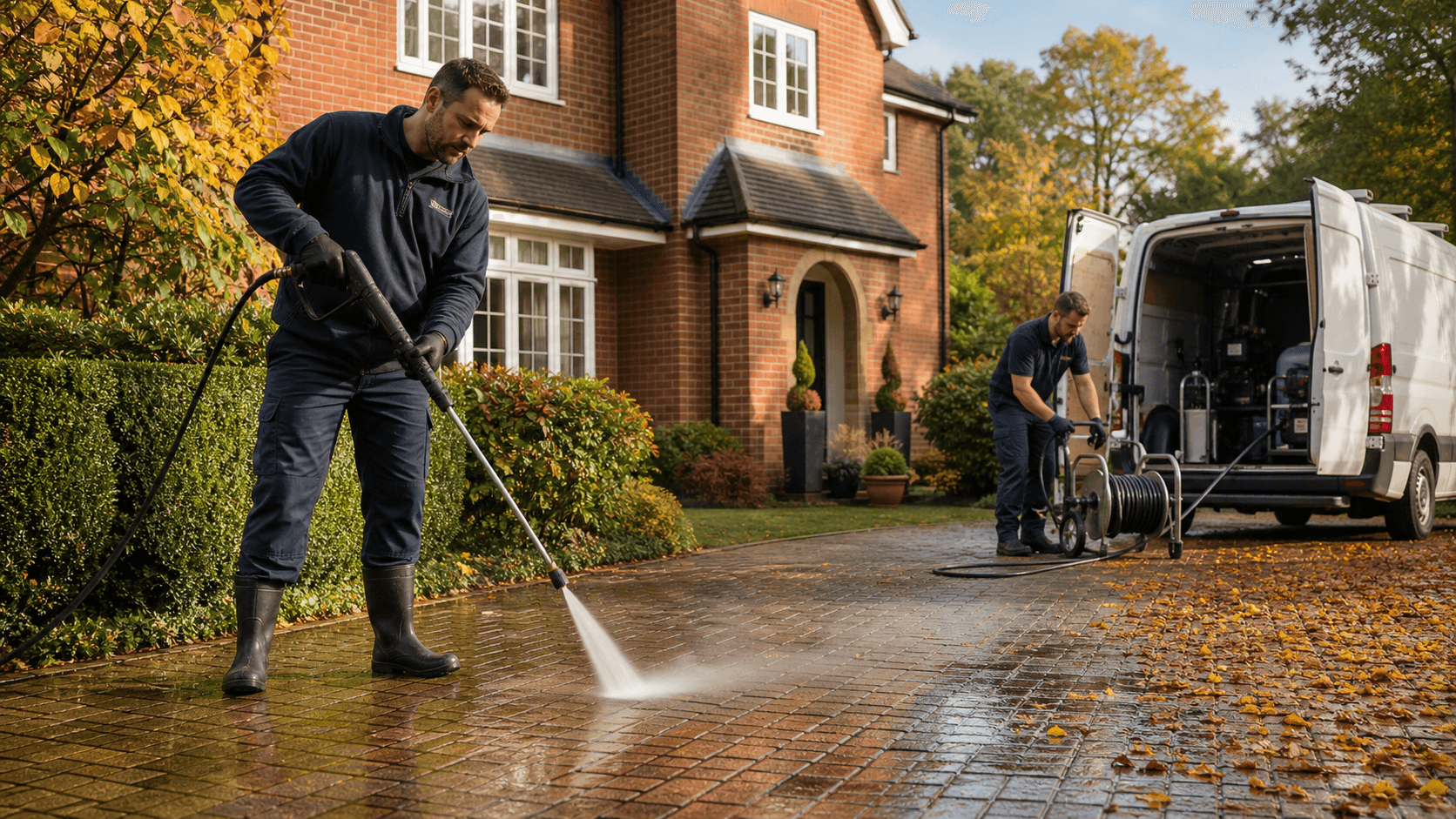
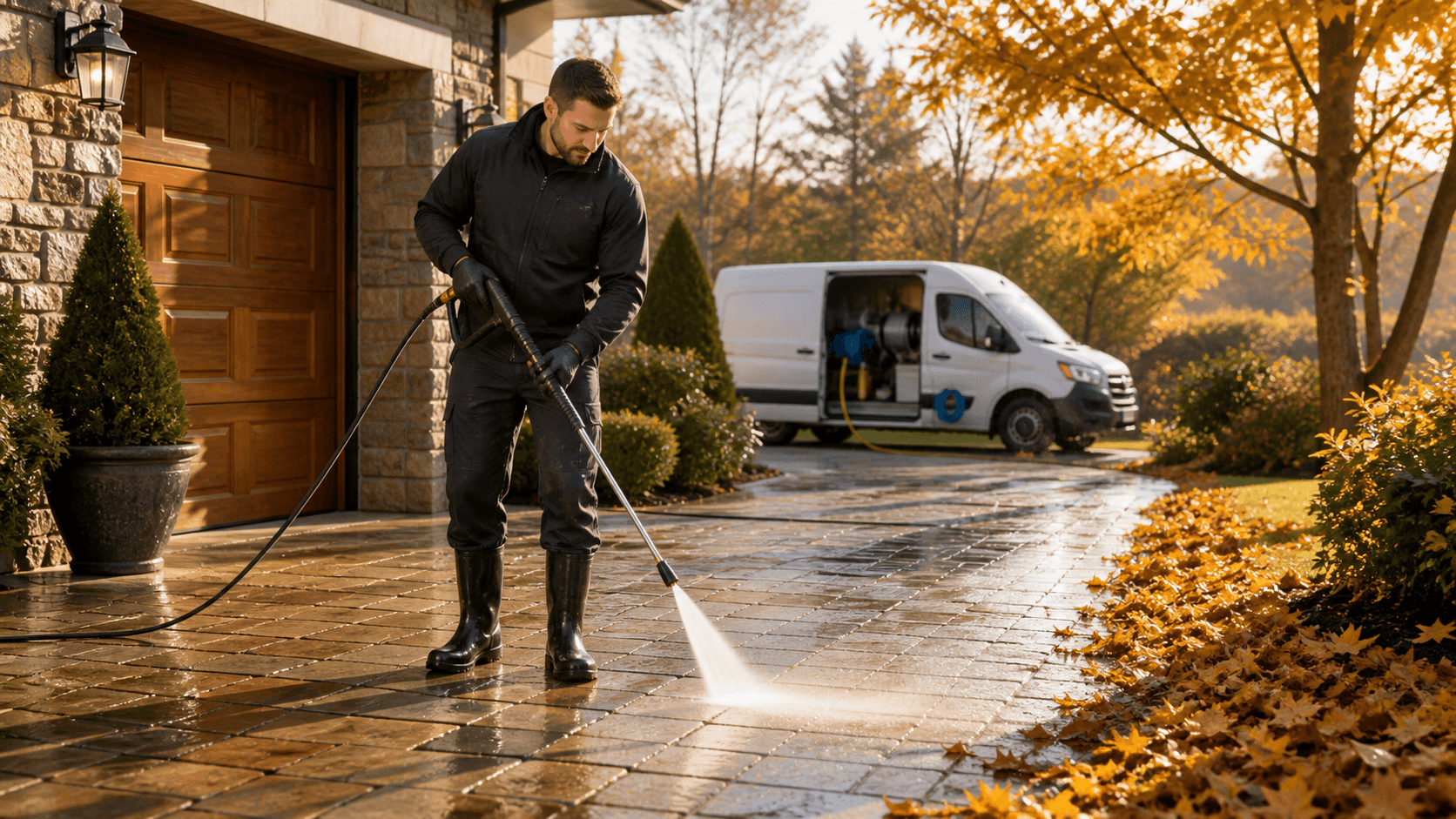
- Avoid pressure washing for the first few weeks, or until the surface is fully cured
- Skip scrubbing tools or stiff-bristled brushes during the early days
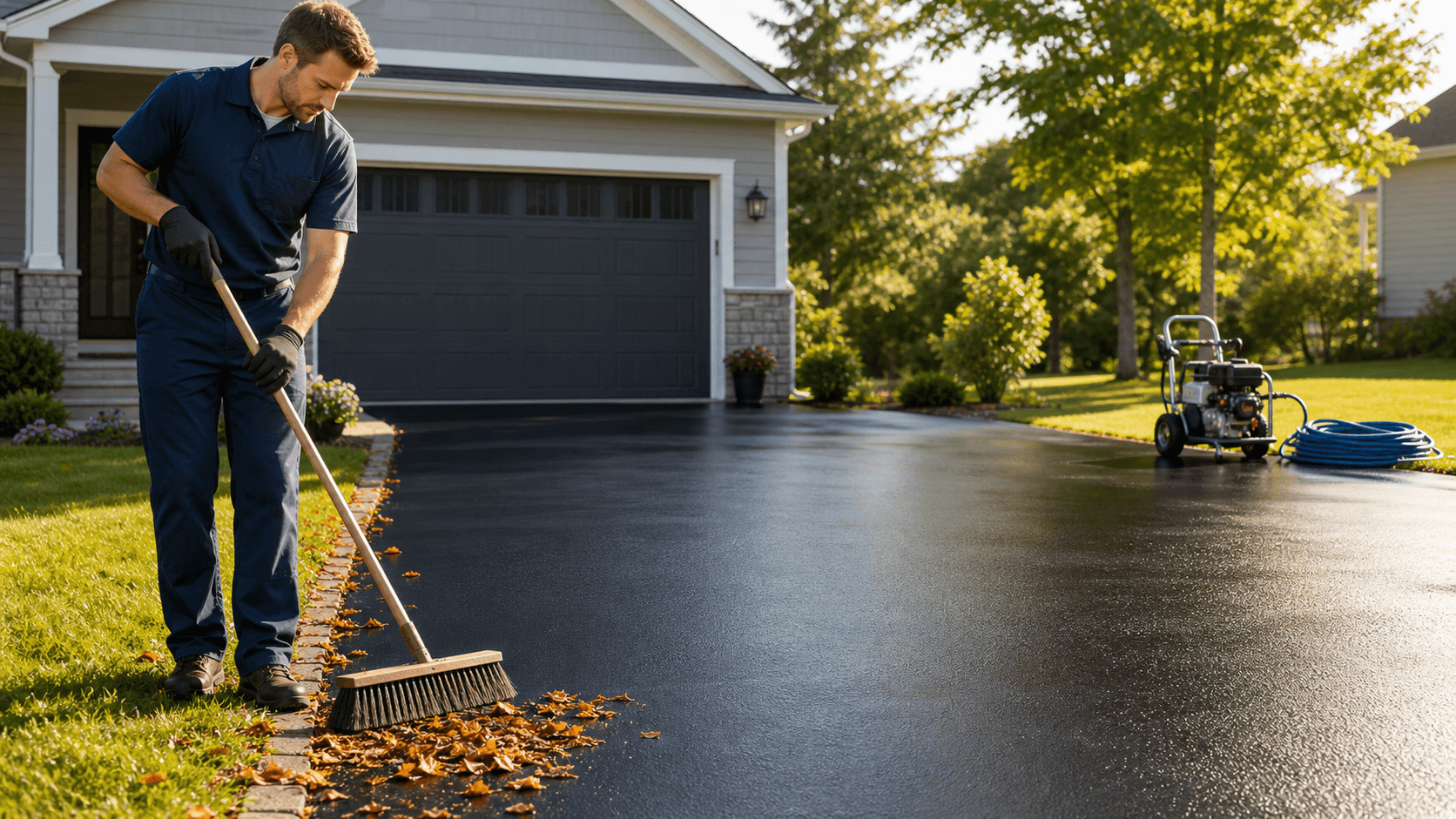
- Stick to dry sweeping or lightly rinsing with a low-pressure hose if needed
Williams Exterior Shine provides gentle and safe cleaning options for both new and older driveways, whether concrete, resin, or block paving. We always check the surface's condition before recommending more intensive cleaning and inspect for defects that could affect a fresh seal.
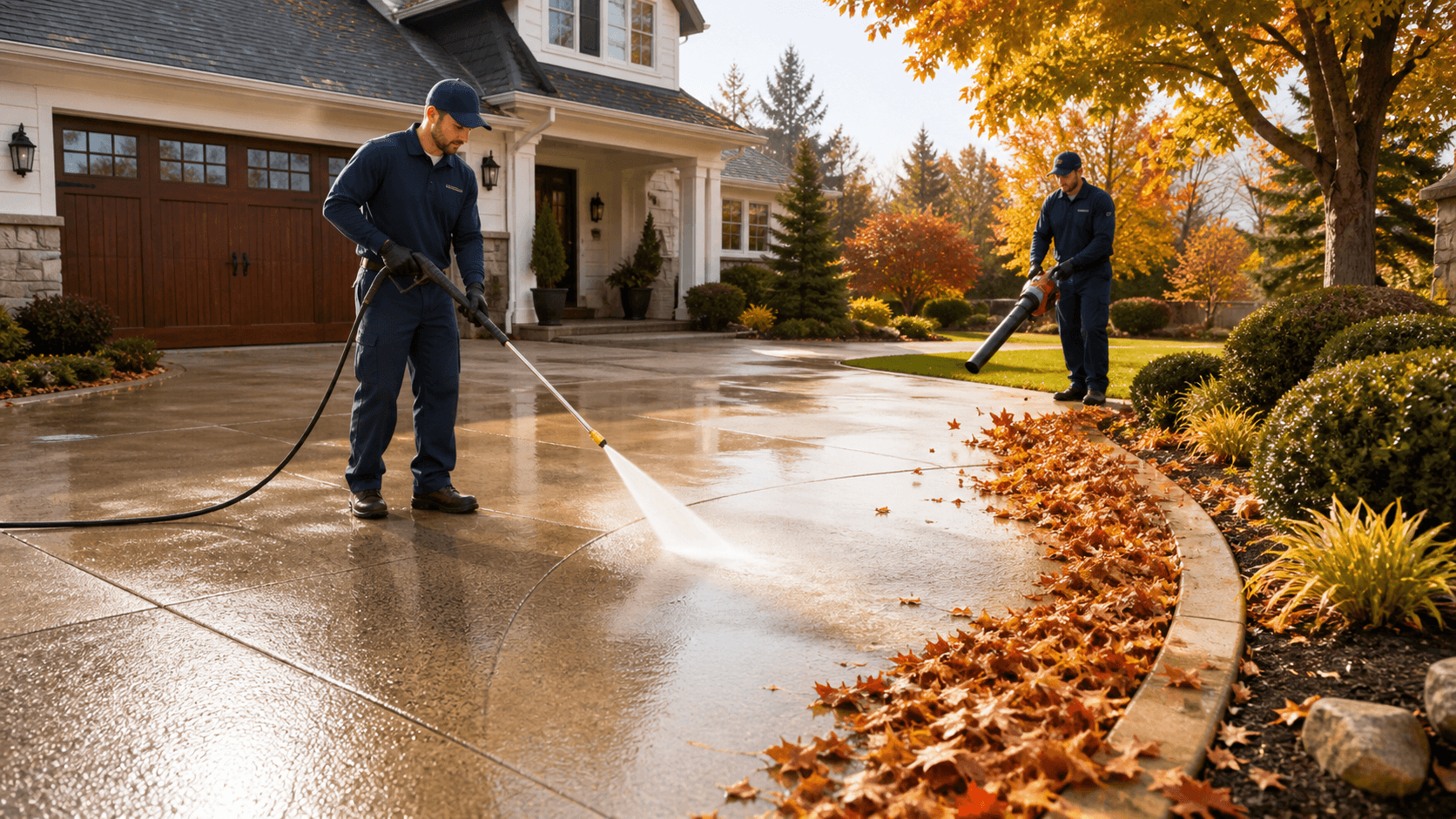
We often hear from homeowners who want to clean up bird mess or pollen just days after the seal has dried. That's perfectly understandable, especially when it's the first thing you see walking out the door. In those cases, a gentle rinse or leaf blower can help without making things worse. For deeper driveway cleaning in Staffordshire, though, it's better to wait until the seal has really settled. That way, you get a stronger clean without pulling at the surface or dulling the finish.
Local Summer Conditions That Affect Driveway Care in Staffordshire
Here in Staffordshire, driveways come in all types, from natural stone paths to printed concrete or block paving. Each one reacts differently to the sun and rain, which is why local conditions matter more than you might think in summer.
- Clay soil and uneven ground can hold moisture longer under driveways with poor drainage
- Tree cover can lead to leafy build-up or shaded patches that stay damp
- Nearby roads can kick up dust, pollen, or muddy splashback during warm spells
In early July, it's common to see a stretch of hot, dry days, followed by quick showers that leave puddles across flat surfaces. That stop-start weather pattern can trick homeowners into thinking a driveway is ready for cleaning, only to find it's not quite cured in places. Shaded or cool patches take longer to dry, especially near hedges or fences. So even if most of the surface looks fine, those darker corners can still be soft. A bit of extra care based on where the driveway is and how it's used goes a long way.
Keeping a New Seal Looking Good All Season
A fresh seal looks great in those first few weeks, but keeping it that way through summer takes gentle steps. Letting rain wash away surface dirt is one thing. Using high-pressure tools or scrubbing before it's ready can turn a smooth finish into something patchy fast.
- Give it time, up to three weeks before planning any deep cleaning
- Tidy dry debris with soft tools like brooms or hand-held blowers
- Watch for stains early on, like oil spots or food spills, and call for help if needed
When cleaned the right way, sealed driveways hold their colour, texture, and protective layer for months. That means fewer touch-ups later and a driveway that feels solid underfoot every time you come home. Slow, thoughtful care now saves headaches later, especially during a busy Staffordshire summer when everyone's out and about. Keeping it clean is about more than appearance. It's about protecting the surface under the shine.
Let your newly sealed driveway cure properly for the best long-term results, and when it is time for maintenance, trust our safe and reliable approach. As the seasons change or dust reappears, we're here to help with driveway cleaning in Staffordshire. Contact Williams Exterior Shine to keep your drive looking its best all year round.