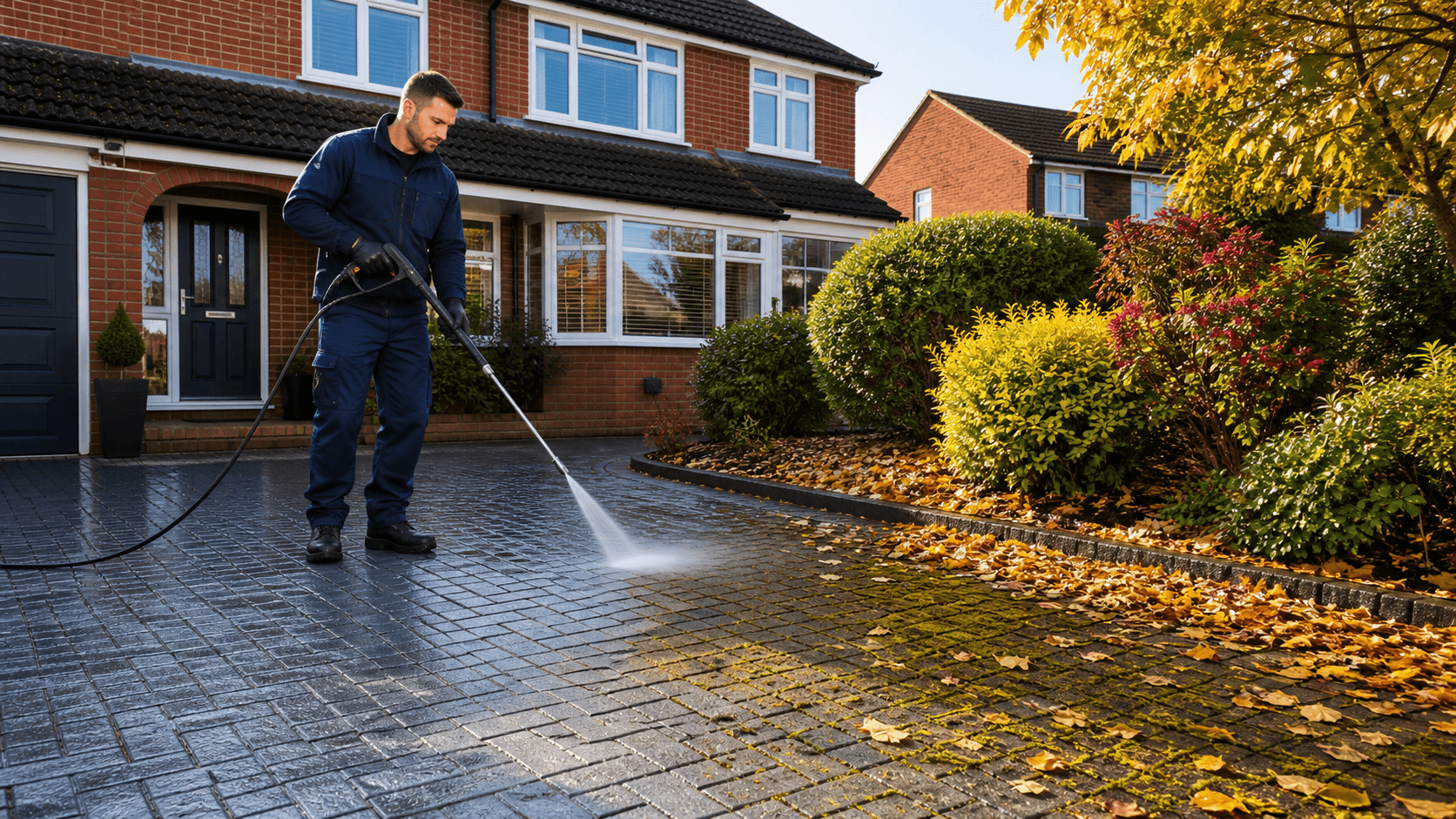
Autumn in Staffordshire brings beautiful changes, but it also brings damp conditions and falling leaves that can cause problems for outdoor spaces. Decks, in particular, face a mix of moisture, shade, and debris that settles in corners and beneath rails. These are the very places where issues like wood rot can start to spread without being noticed.
That's why deck pressure washing in Staffordshire can be a smart step this time of year. It cleans the surface and helps reveal signs of trouble that are often hidden by grime and algae. Waiting too long means those problems could stick around all winter, getting worse through wet, cold weeks ahead. Autumn cleaning gives us a chance to check the deck right before things turn soggy and slippery.
Why Decks Suffer More in Autumn
As temperatures drop and rainfall picks up, decks hold onto moisture more than people realise. When leaves and bits of garden debris sit on the wood surface, they trap dampness in place. That gives water more time to soak into the wood.
- Colder days mean surfaces dry more slowly
- If the sun shifts and the deck gets less light, shaded areas stay wetter
- Dark corners or spots near railings often dry last and rot first
This type of moisture build-up does not just go away on its own. It sets the perfect stage for problems to start. If there is already a small split or soft patch in the timber, it can spread quickly during this part of the year. Autumn is when we often start to notice deck boards that flex too easily or corners that stay dirty no matter how much sweeping gets done.
Even after a round of sweeping, the damp can stick around for days under piles of leaves or other garden bits. The longer this moisture lingers, the more likely it is to soak deep into the wood and start breaking down the fibres. When autumn rain falls regularly, the deck barely has a chance to dry out before more water comes along. This constant wetness is how soft spots and rot get started and why it's so important to pay attention to these conditions.
How Pressure Washing Reveals Trouble Spots
When we clean a deck thoroughly, we get the closest look at the wood surface all season. What was once hidden behind leaf stains or green buildup becomes clear. Pressure washing removes the layer of grime that often covers early warning signs.
- Splintering edges on boards might mean the wood is breaking down
- Discolouration like dark patches or uneven tones can point to moisture damage
- Soft spots underfoot, especially near steps or corners, can signal rot starting underneath
Without that surface dirt in the way, it is easier to notice what's normal and what's not. During a full clean, we often spot things that have been slowly getting worse over time. Some things, like nail heads poking up or splinters that catch your shoe, may not seem like much at first. But these early signs can turn into bigger safety problems if winter sets in without any action.
Williams Exterior Shine uses commercial-grade pressure washers with adjustable nozzles designed for timber, composite decking, and balustrades. We help customers in Staffordshire clear away autumn mess and identify hidden problems without causing damage to delicate or older wood grain.
A deep clean not only refreshes the look of the deck but also gives everyone a better view of any areas that have changed since last year. If the wood has started to lift or there are areas where water sits after cleaning, those places usually need more attention. It's during this stage that the first signs of trouble can be noticed, and repairs can be made before the weather gets harsher.
The Best Time to Book Pressure Washing
Late September tends to offer exactly the kind of weather we need to do outdoor cleaning right. The air is cool, but not too cold. Rain is hit and miss, but dry stretches last long enough for decks to dry properly after washing. That balance of dry air and mild temperatures makes cleaning and inspection more effective.
- Once washing is done, the deck needs enough time and airflow to dry out fully
- Leaving moisture sealed in under chairs, pots, or mats can trap dampness
- If cleaning happens too late in autumn, frost may set into wet or soft areas
We always look for that stretch of calm weather between summer's last burst and before the true cold hits. That window offers the best mix for outdoor jobs like deck washing without the risk of mould or trapped water. Once the freeze-thaw cycle starts, any damaged surface is at greater risk of cracking or splitting.
Choosing a time when the weather is settled helps in more ways than one. It means decks dry quicker after cleaning and any repairs made will have a chance to take hold before conditions turn harsh. This careful timing, just ahead of the true cold, gives us the opportunity to prevent bigger issues later on.
Other Issues You Might Catch Early
While the main goal is to get dirt and grime off the deck, clean-up often helps highlight other problems. Not every issue is about rot. Some are safety concerns that show up when the surface is cleared and easy to inspect.
- Railings that wobble or move when touched might need securing
- Raised nails can catch clothing or cause tripping
- Green algae in shady corners can get slippery as the days get damper
These smaller issues might not grab attention during summer when the deck is dry and used casually. But heading into winter, it is better to know what is loose, cracked, or hiding mould. Pressure washing does not just clean, it gives us the chance to stop and check every board and corner.
A clean deck surface also makes it easier to notice where water pools. Low spots or dips in boards can hold puddles, especially after autumn rains. These spots can speed up wood damage if left for too long, so it helps to keep an eye on them once the dirt is cleared away.
Williams Exterior Shine completes visual checks after every clean and notifies our customers of problem areas, including recommendations for repairs or preventative sealing before winter. Our experience with local deck styles ensures safe and thorough cleaning without splintering timbers.
Safety and comfort are even more important as the weather gets wetter. A quick spot check after pressure washing means loose boards, worn fittings, or slippery areas get picked up before they cause any harm. By paying attention after every clean, it's possible to keep one step ahead of issues that could become bigger problems once winter sets in.
Spotting Problems Before Winter Sets In
Getting the deck cleaned in autumn gives us a better chance to stop wood rot before it becomes serious. Once the surface is clear, we can see what is happening with the wood rather than guessing from looks alone. A soft board or persistent dark patch might not mean total damage, but it is always better to catch it early.
Clean wood dries faster, lasts longer, and gives everyone more peace of mind when walking or using outdoor spaces. By waiting too long, we miss the chance to deal with simple repairs before the freeze and thaw make things worse. A deck that is dry, visible, and safely put together is far less likely to crack, sag, or slip during winter.
Paying attention now helps protect everything underneath. Moisture, mould, or shifting boards do not fix themselves, but they often show up clearly once we wash away the surface layer. Autumn gives one last chance to really look, and if something needs attention, there is still time to act before the season changes for good.
At Williams Exterior Shine, we believe autumn is the perfect time to take a closer look at outdoor wood before winter moves in. Having a clear view of what is happening beneath the dirt and damp gives us a better shot at keeping everything secure and long-lasting. Thinking about giving your garden space a proper clean before colder weather hits? Our deck pressure washing in Staffordshire can help reveal issues early and save headaches later. Do not wait until damaged boards or hidden rot turn into bigger problems. Give us a call to get booked in before the season changes for good.